System Diagnostics
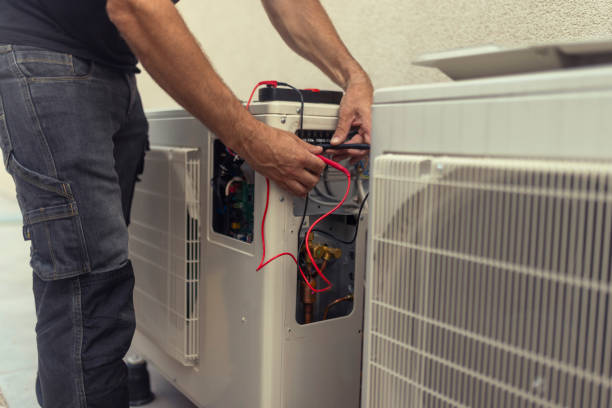
Systematic evaluation of the condenser, evaporator coil, air handler, blower motor, and refrigerant charge to identify underlying issues.
RESIDENTIAL HVAC
Factual information about common HVAC issues and straightforward approaches to keeping your system running reliably.

Systematic evaluation of the condenser, evaporator coil, air handler, blower motor, and refrigerant charge to identify underlying issues.
Focused attention on AC performance, including airflow, return air and supply air, static pressure, and condensate management.
General overview of heat pump operation, furnace function, and considerations for set-and-match equipment and system balance.
Understanding flex duct, registers, CFM considerations, and duct sizing principles to support consistent comfort.
A typical split system moves heat using refrigerant cycling between an outdoor condenser and an indoor evaporator coil. The air handler and blower move conditioned air through supply air ducts and registers, while return air brings room air back to the system.
Deciding between repair and replacement depends on system condition, component type, and long-term considerations. Some issues (capacitor, contactor, float switch, thermostat wiring) may be localized, while others (heat exchanger integrity, major refrigerant circuit concerns) require careful evaluation.
Indoor air quality considerations relate to airflow balance, filtration, and ventilation. Proper return air pathways, clean coils, and well-sealed ductwork help maintain a stable indoor environment.
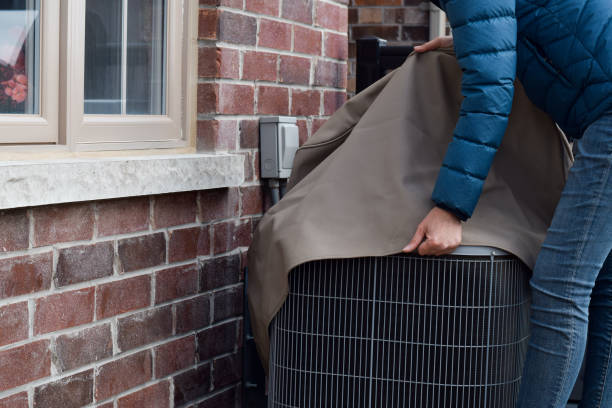
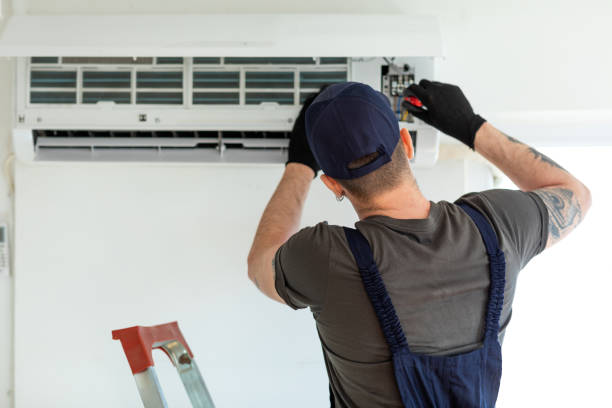
Understanding how HVAC systems work helps inform practical decisions about maintenance, repairs, and long-term system care.
To discuss your HVAC needs or request service, use the contact options below.
10921 Wilshire Blvd, Los Angeles, CA 90024
Serving Los Angeles, California
Request a callback